Malware y limpieza
Detecta, elimina y limpia malware y compromisos en WordPress.
18 artículos · en inglés
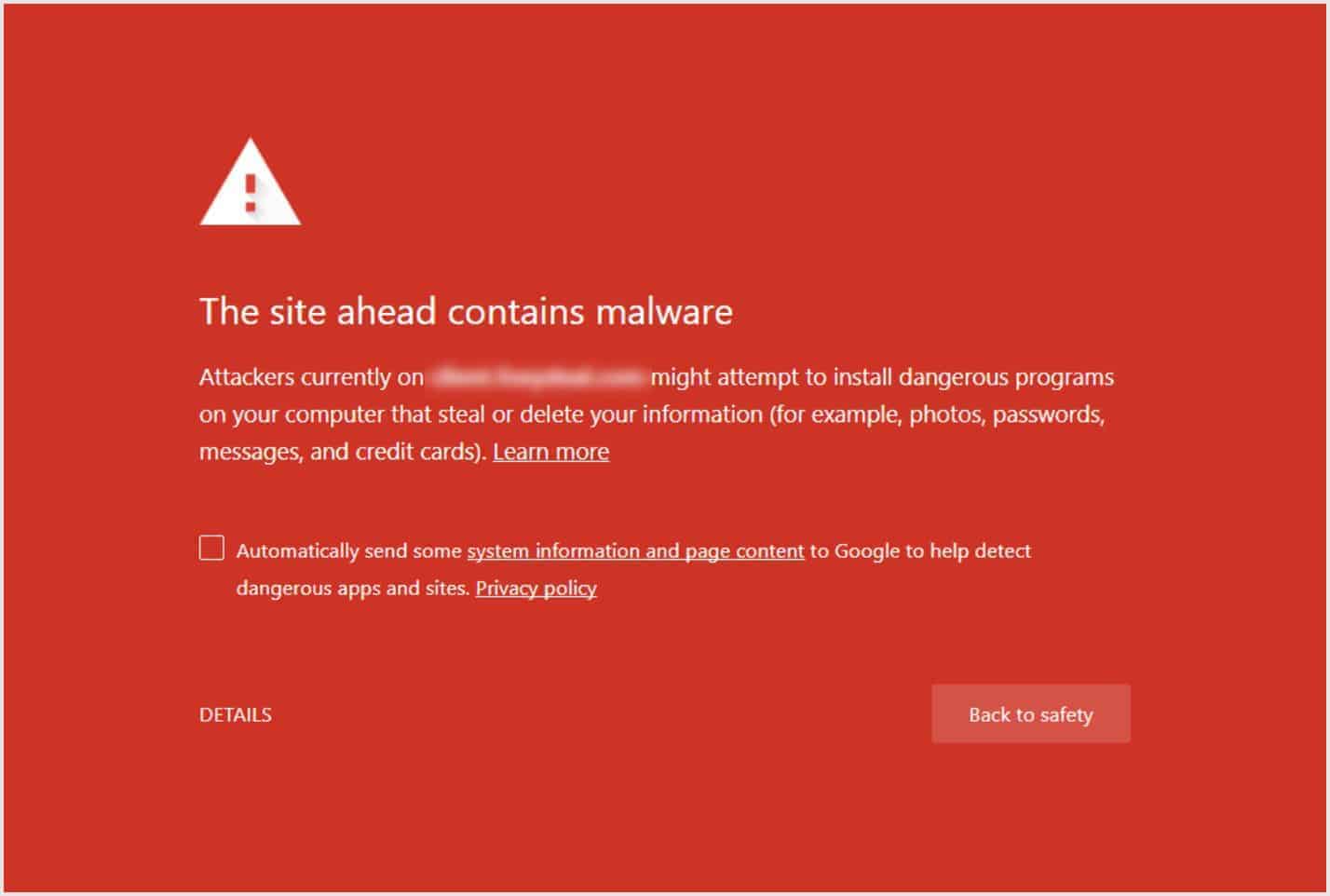
Cuando un sitio WordPress está comprometido, las primeras señales suelen ser pequeñas: una redirección rara, un usuario administrador nuevo, enlaces spam en el pie o un aviso de Google Safe Browsing. El malware casi nunca se anuncia con claridad. Se esconde en archivos del tema, en uploads, en must-use plugins o en opciones de la base de datos, y intenta quedarse después de una limpieza rápida.
Estos artículos (en inglés) cubren cómo se ven las infecciones en la práctica, cómo funcionan los bucles de reinfección y cómo limpiar sin adivinar. Nos centramos en patrones reales: puertas traseras que sobreviven al cambio de contraseñas, archivos de plugins modificados y código malicioso que solo aparece para ciertos visitantes.
Si quieres herramientas junto a la lectura, el escáner de malware de Security Ninja Pro ayuda a encontrar código sospechoso, limpiar o poner hallazgos en la lista de permitidos, y comprobar que los plugins de WordPress.org siguen coincidiendo con los checksums oficiales. Combínalo con el firewall en la nube y la protección de acceso para no limitarte a limpiar después del hecho.
Artículos en Malware y limpieza
18 artículos en inglés, los más recientes primero.
- WordPress core files were modified: what it means A core-file warning means a checksum mismatch, not an automatic hack. How to read the diff, when it is harmless, and when to restore or treat it as malware.
- When a security plugin is enough vs when to hire cleanup A plugin is the weekly stack you run yourself. Hired cleanup is humans for a live compromise or a written review. How to buy the right job, not a second dashboard.
- WordPress Malware Cleanup: DIY or Hire Help? After you confirm a WordPress hack: when to clean malware yourself, when to hire cleanup, what a good incident response includes, and how to avoid paying twice.
- Check if Your WordPress Site Is Hacked Check if a WordPress site is hacked with scans from wp-admin: vulnerabilities, security tests, core integrity, then a logged-out look at users and Search Console.
- WordPress security patterns we keep seeing (and simple fixes) Recurring WordPress security problems: postponed updates, messy access, no logs, untested backups, bot noise, and one-time security installs. Plus a simple baseline.
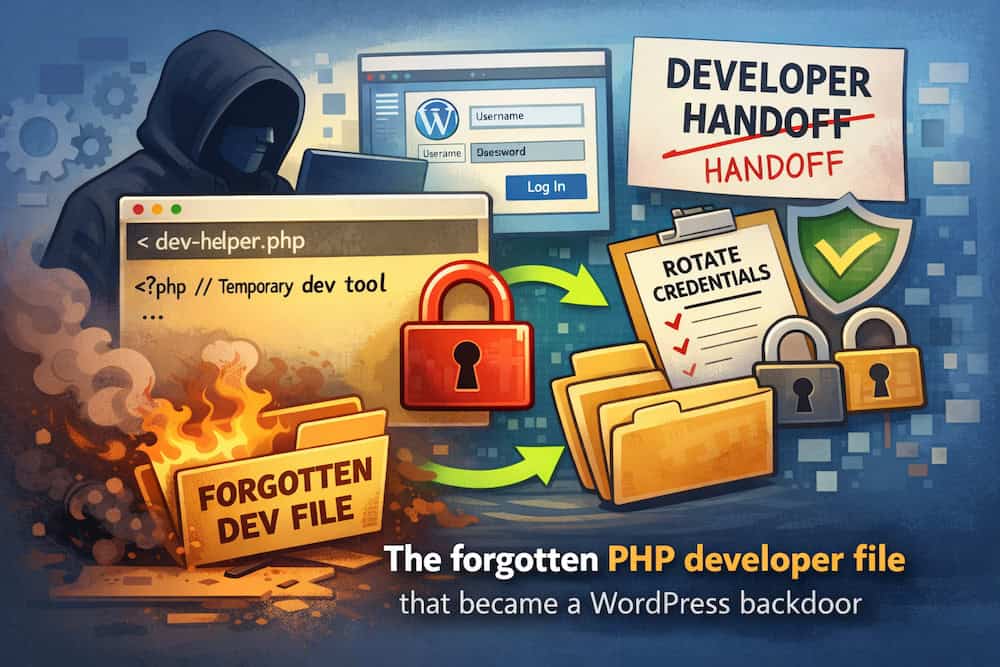
- WordPress hacked after a developer handoff: the leftover file problem A leftover developer file manager acted as a WordPress backdoor. How to find it, clean up, and stop permanent “helpful” access tools.
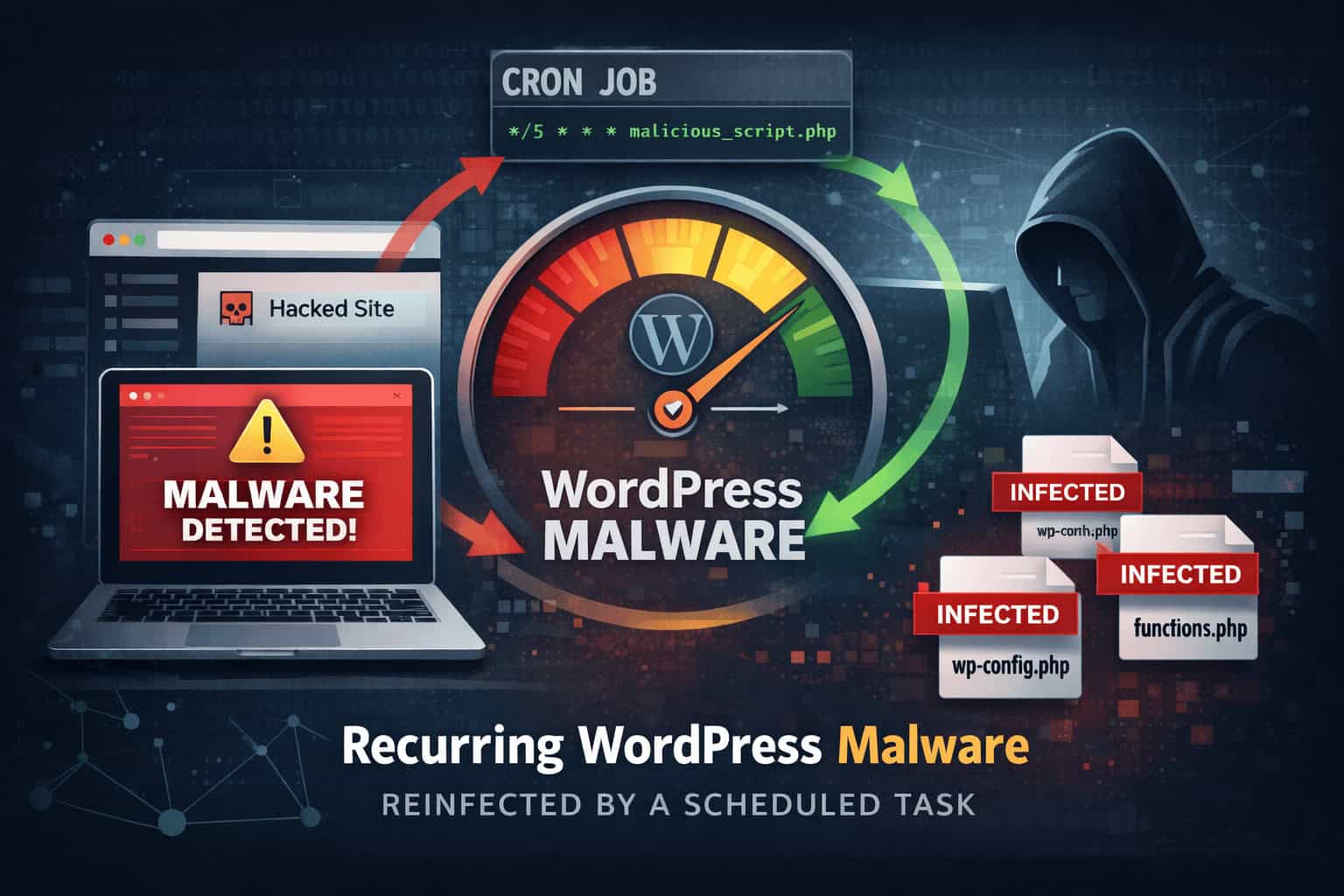
- The malware that kept coming back: the cron job we finally found A WordPress site was cleaned twice, but redirects returned. The root cause was a hosting cron job reinjecting malware on a schedule.
- WordPress malware removal How to remove WordPress malware: contain the infection, clean or restore, rescan, rotate access, and close the hole so it does not come back.
- SQL injection attacks on WordPress: how they work and how to reduce risk What SQL injection is, how it shows up on WordPress sites, and the defenses that matter: prepared statements, trusted plugins, and least privilege.
- What to know about WordPress backdoor hacks How WordPress backdoors work, where they hide, signs of compromise, and how to find, remove, and prevent hidden access without fake “support” shortcuts.
- Website Backup Plan: Survive a Site Compromise & Recover Fast Build a simple WordPress backup and recovery plan: clean backups, early alerts, restore steps, and what to do if malware or a hack takes the site down.
- Why regular website maintenance keeps your site secure Regular WordPress maintenance closes security gaps, keeps backups usable, improves speed, and protects visitor trust before small issues become incidents.
- WordPress Hacked Redirect: Find and Fix It A WordPress hacked redirect often sits in .htaccess, index.php, siteurl/home, or uploads. Find it, remove the backdoor, then harden login.
- How to Protect a WordPress Site from Malware and Hackers Practical ways to protect WordPress from malware: updates, safe plugins, strong logins, firewall, scanning, and backups you can restore.
- Backdoor injection patterns: finding layered WordPress persistence A teaching metaphor for multi-layer WordPress backdoors: droppers, obfuscation, and multiple shells. Where they hide and how to find them without inventing a fake campaign.
- WordPress malware traits: stealth redirects, SEO spam, and backdoors Common WordPress malware traits: stealth redirects, SEO spam, backdoors, Search Console warnings, how to test logged-out vs logged-in, and what to do next.
- 7 Signs a WordPress Site Is Hacked How to tell if a WordPress site is hacked: unknown admins, lockouts, redirects, spam, Search Console warnings. Several signs together, not one glitch.
- Emergency WordPress admin recovery with a one-time URL hook Authorized emergency recovery when you have file access but no admin login: a temporary one-time URL hook, then remove the code immediately. Plus how to spot Indoxploit-style and odd-asset backdoors.





La limpieza es solo la mitad del trabajo. Después de quitar el malware, cambia las contraseñas comprometidas, revisa usuarios y plugins, y confirma que los archivos del núcleo y de los plugins se ven bien. Guarda una copia conocida buena del hosting o del plugin de copias fuera del servidor, para tener un camino de restauración si algo se quedó atrás.
Para monitoreo continuo, Pro puede ejecutar análisis programados y mostrar hallazgos antes de que los visitantes se den cuenta. El plugin gratuito sigue ofreciendo más de 50 pruebas de seguridad y comprobaciones de vulnerabilidades para detectar puntos débiles comunes a tiempo.
Si el bricolaje no basta, puedes contratarnos para limpieza de malware o una revisión de seguridad a precio fijo. Si aún tienes acceso de administrador, empieza por el escáner de malware, el escáner del núcleo y las pruebas de seguridad. La guía larga está en cómo eliminar malware en WordPress. Las señales, todavía en inglés, están en cómo saber si han pirateado el sitio (en inglés).