Blog / Página 6
Todos los artículos
Página 6 de 7 · en inglés
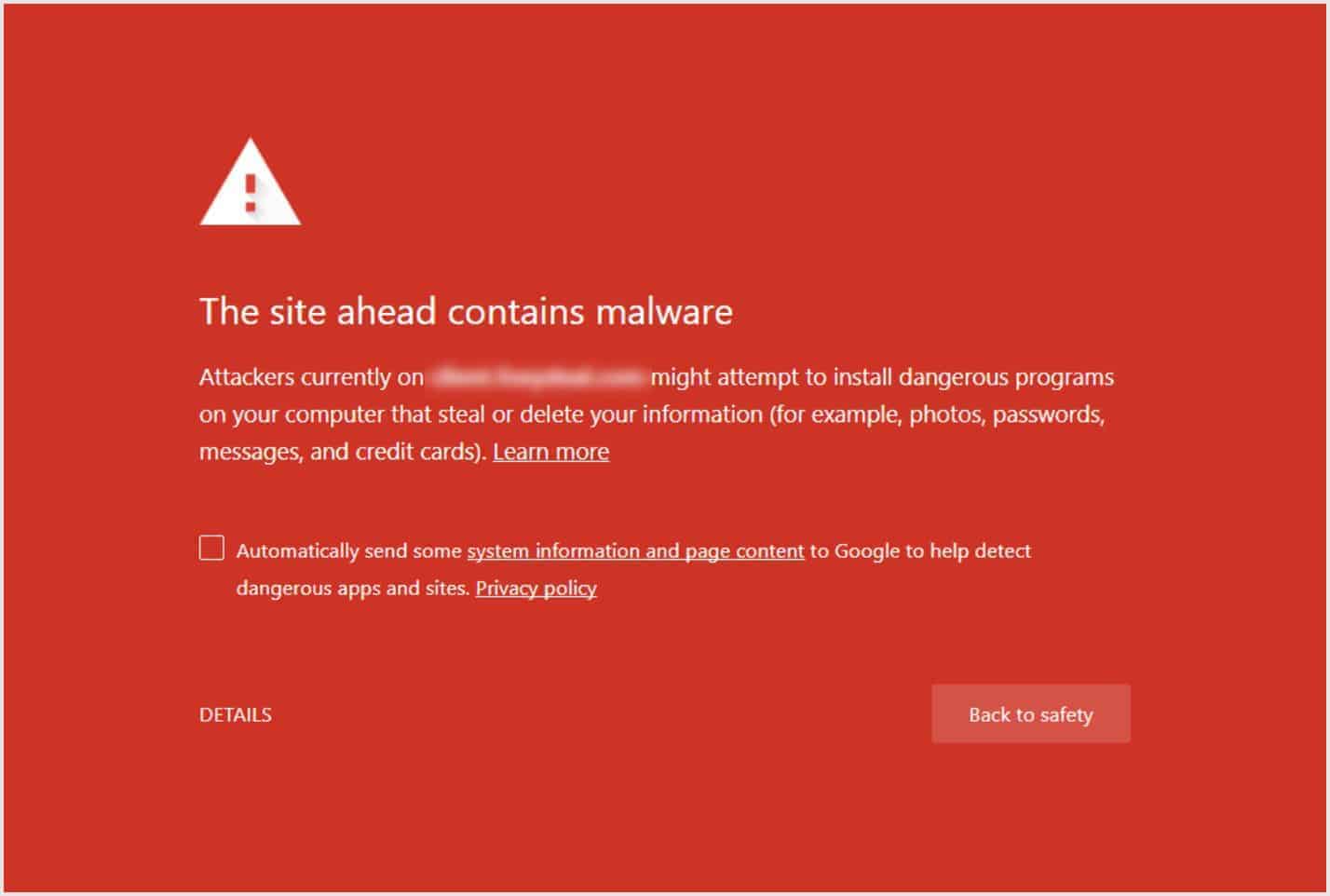
- WordPress malware traits: stealth redirects, SEO spam, and backdoors Common WordPress malware traits: stealth redirects, SEO spam, backdoors, Search Console warnings, how to test logged-out vs logged-in, and what to do next.
- WordPress backup tips: protect your site and restore fast Practical WordPress backup habits: what to copy, offsite storage, retention, and why a tested restore matters more than a folder of old ZIPs.
- Phishing guide: spot fake emails before they cost you How phishing works, how to spot fake emails and links, and simple habits that keep WordPress logins and business accounts safer.
- Penetration testing for small business cybersecurity When pen tests help small businesses, how they differ from vulnerability scans, realistic benefits, and what to fix before you hire anyone.
- Best practices for WordPress website risk management Practical WordPress risk management: reduce attack surface, harden logins, segment environments, keep PHP current, and plan for incidents without fake guarantees.
- WordPress theme security risks: warning signs to avoid Spot risky WordPress themes early: unknown developers, abandoned updates, bundled junk plugins, fake reviews, and code you cannot trust.
- Protecting customer data: practical steps for small businesses How to reduce customer data risk: collect less, encrypt in transit and at rest where it matters, limit access, train staff, and keep WordPress stores honest.
- WordPress Plugin Security Risk: How Plugins Threaten Your Site Most WordPress breaches start in plugins. Learn how outdated, abandoned, nulled, and unused plugins create risk, and how to keep the ones you need safer.
- Fix WordPress file and folder permission errors Correct WordPress filesystem permissions (755 directories, 644 files), how to set them in cPanel or FTP, and what not to recurse.
- 8 WordPress beginner mistakes that cause real problems Common WordPress beginner mistakes: skipped updates, weak logins, no backups, plugin clutter, SEO settings left wrong, and picking the wrong hosting path.
- Optimize WooCommerce for speed, checkout, and security Practical WooCommerce optimization: UX clarity, hosting and caching, image and plugin weight, trust signals, checkout friction, and store security basics.
- 7 Signs a WordPress Site Is Hacked How to tell if a WordPress site is hacked: unknown admins, lockouts, redirects, spam, Search Console warnings. Several signs together, not one glitch.
- Why hackers attack small WordPress sites Small WordPress sites get hacked by bots looking for open doors, not personal targeting. Why “we are too small” fails, and what to do instead.
- WordPress cybersecurity risk questions WordPress cybersecurity risk questions for small teams: testing, insider risk, standards, recovery, and insurance. Aimed at site owners, not CISOs.
- HTTPS and SSL/TLS certificates for WordPress What TLS certificates do, why every WordPress site needs HTTPS, and how to enable it with your host or Let's Encrypt without breaking redirects.
- Server issues that can break a WordPress site Common host and server problems on WordPress: slow loads, memory limits, mail delivery, DNS, 500 errors, stale caches, and max execution time, with practical fixes.
- Best WordPress import export plugins Compare WordPress import export plugins for products, orders, users, and migrations. Staging habits, CSV security, and when WP All Import or WP Migrate fit.
- WordPress Admin Passwords: Stop Using Weak Ones Why weak WordPress admin passwords still get sites owned, bad-password patterns since 2012, passkeys, application passwords, breach response, and 2FA.
- Emergency WordPress admin recovery with a one-time URL hook Authorized emergency recovery when you have file access but no admin login: a temporary one-time URL hook, then remove the code immediately. Plus how to spot Indoxploit-style and odd-asset backdoors.
- Create a WordPress admin user via FTP when you are locked out Recover a locked WordPress site by temporarily adding a known-safe admin account through FTP or file manager, then remove the code immediately.