WordPress Multisite security: 5 tips for network admins
WordPress Multisite security for network admins: Super Admin access, updates, backups, WAF and login protection, plus network-wide hygiene.
Topics Hardening & checklists

Updated Published
WordPress Multisite security for network admins: Super Admin access, updates, backups, WAF and login protection, plus network-wide hygiene.
Topics Hardening & checklists
Updated Published
WordPress Multisite lets you run many sites from one install. That is convenient for agencies, universities, and multi-brand setups. It also concentrates risk: one Super Admin session, one vulnerable network plugin, or one bad theme can affect every site on the network.
Multisite is not automatically “more hackable” than a single site. It needs tighter process because the blast radius is larger.
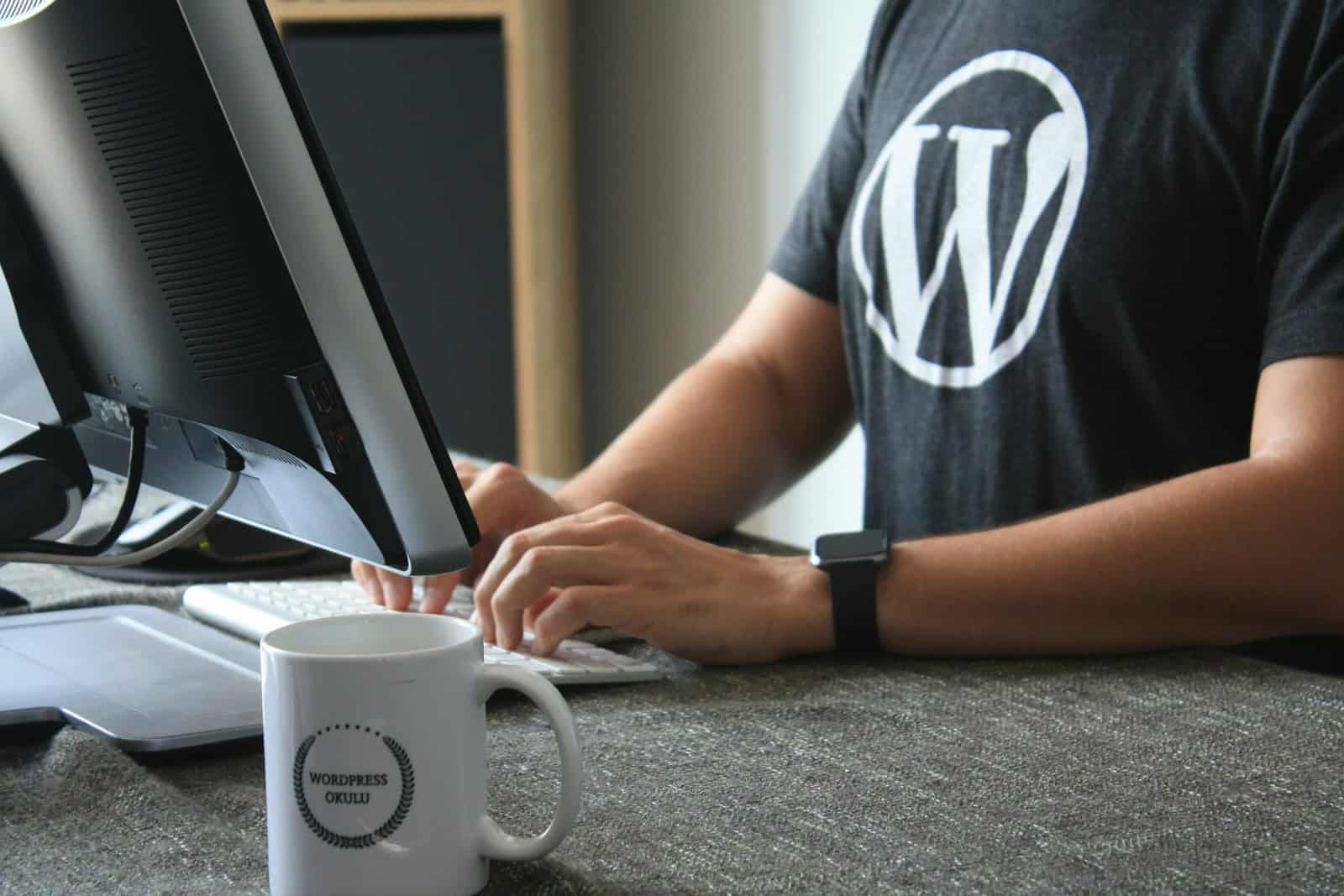
A compromised Super Admin can create sites, install network plugins, and reach every site. A site Administrator is powerful on their site, but Super Admin is the network key. Treat that role like root.
Role details: WordPress user roles (including Super Admin).
Sites share one WordPress core. Network-activated plugins and themes apply broadly. Most WordPress vulnerabilities still show up in plugins. One unpatched network plugin can expose every site at once.
You do not need fear language. You need patch discipline and fewer shared components than “install everything once for convenience.”
Changing the login URL alone is not a security strategy. It can cut casual noise, but real defense is authentication strength, rate limits, and fewer powerful accounts. Full guide: WordPress login security.
Apply core, plugin, and theme updates promptly. On Multisite, prefer:
One public exploit against a popular plugin can hit hundreds of thousands of sites within days. Shared code means you patch once for many sites, which is an advantage if you stay current and a liability if you do not.
MainWP, ManageWP, InfiniteWP, and similar tools help you monitor updates and run tasks across many installs. They do not replace reviewing what you install network-wide.
If you also manage separate WordPress installs (not only Multisite), those tools help with fleet hygiene. Inside Multisite, the Network Admin screens already centralize a lot. Use whatever keeps updates and access reviews from slipping.
Related: MainWP for multi-site management context.
A Multisite backup must cover the shared files and the full database (all site tables). Host snapshots help. So do plugin or server jobs that send copies offsite.
The rule that matters: restore to staging at least once so you know the process works under pressure. Practical habits: WordPress backup tips. Plugin buyer notes: backup and security plugins.
A web application firewall (WAF) (host-level, Cloudflare, or a solid plugin firewall) filters common exploit traffic before it hits PHP. Pair it with:
Firewall overview: WordPress firewall plugins guide. Working baseline: security checklist.
Good Multisite security is process: rare Super Admins, fast updates, offsite backups you have restored, and a WAF plus login hardening. Build that once, then keep it boring. When something looks wrong, start from evidence (events logger, hosting logs, a user list you recognize) instead of rewriting half the network on impulse.
Found this useful? Share it.